
Coastal Cleanups
Leaders in the Community
Leadership in science shouldn’t stop in the workplace, it should be represented in the community as well. Dirigo Science Connection leads the way in South Portland, ME when it comes to keeping our coast clean!
Why We Do Coastal Cleanups in South Portland
South Portland sits along Casco Bay, one of Maine's most ecologically and economically important waterways. The city's shoreline — including popular spots like Willard Beach, Bug Light Park, and the Greenbelt Walkway — faces constant pressure from litter, storm runoff, and marine debris washing ashore. Coastal cleanups exist because this pollution doesn't remove itself. Tides bring in debris from the open ocean, storms flush trash from streets and storm drains into the bay, and everyday use of public spaces leaves behind waste that accumulates quickly if not addressed.
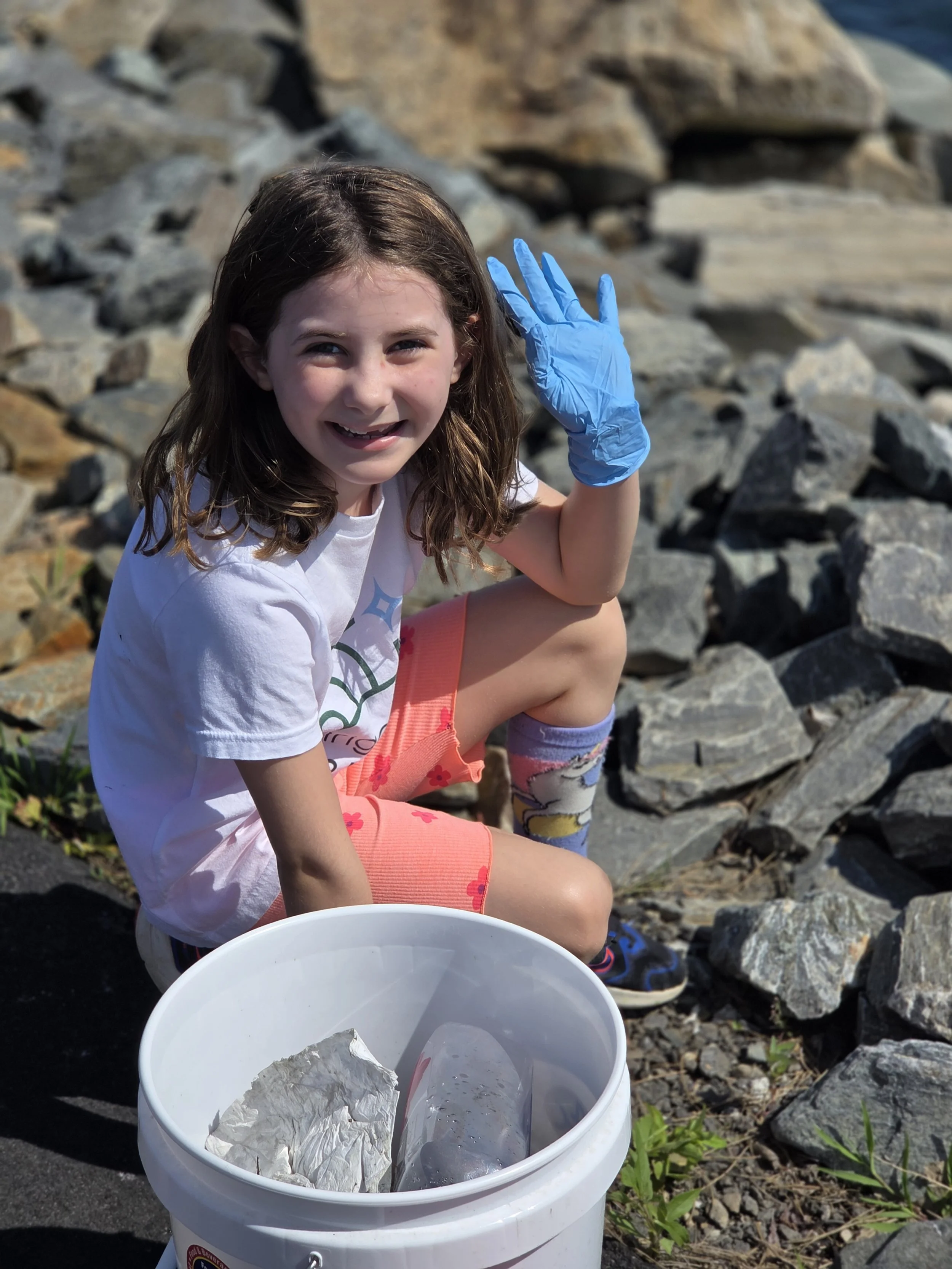
What We Find On Our Coast Line
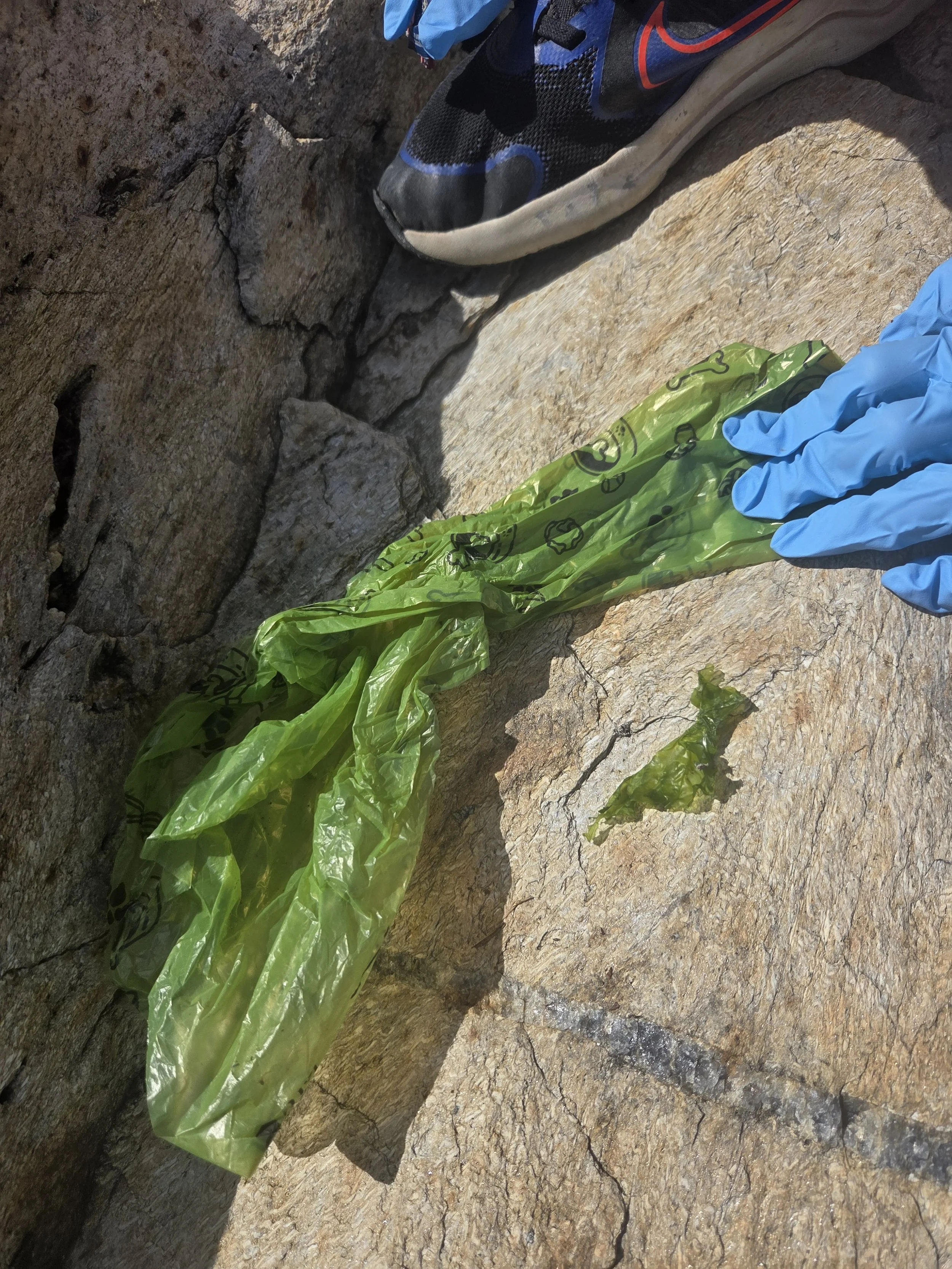
Plastics
Plastic bottles, bags, food wrappers, and microplastics are among the most commonly found items during beach cleanups.
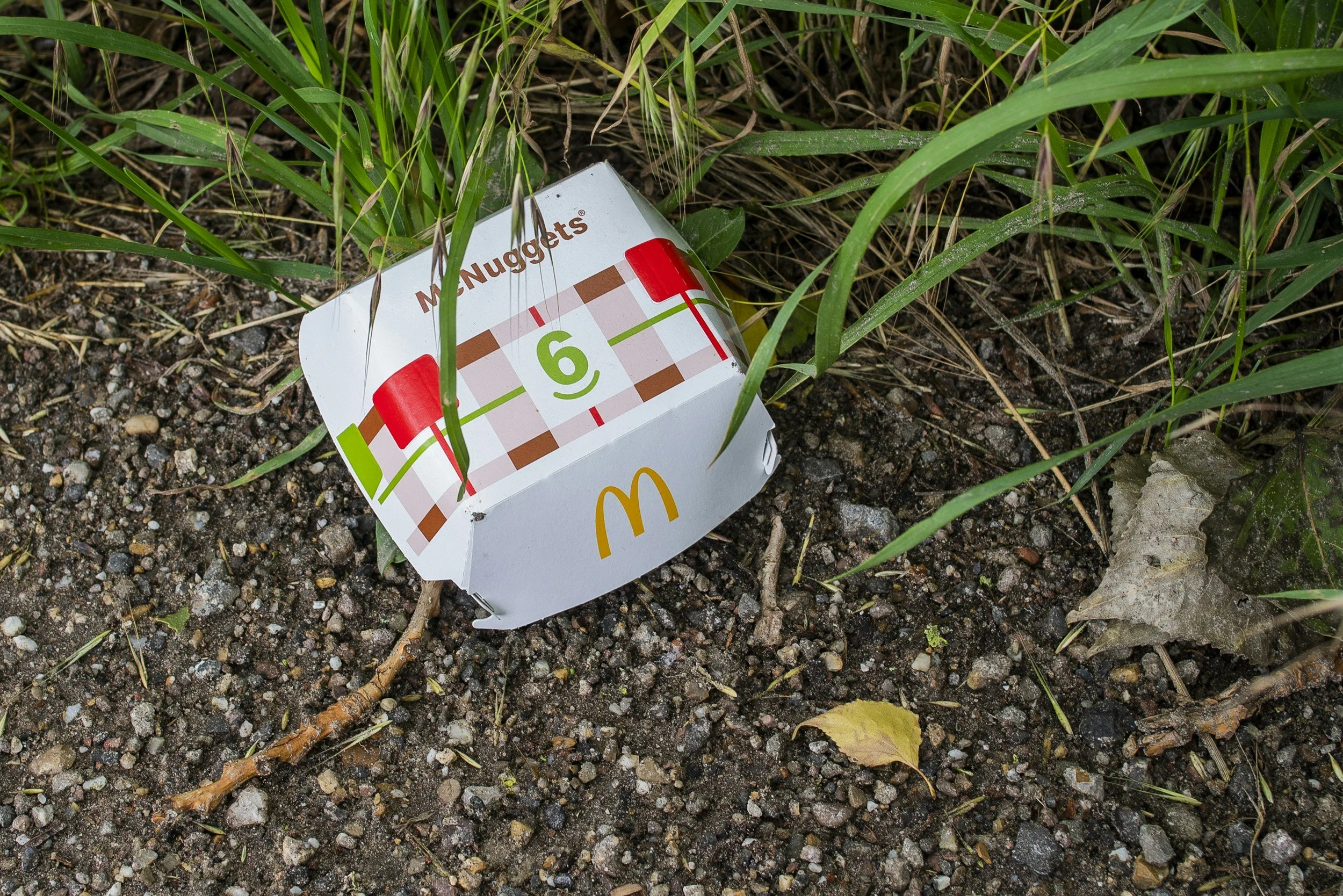
Paper
Paper and cardboard products are frequently found during Maine coastal cleanups, though they degrade faster than plastics. Common items include cups, plates, napkins, and food packaging left by beachgoers and tourists.
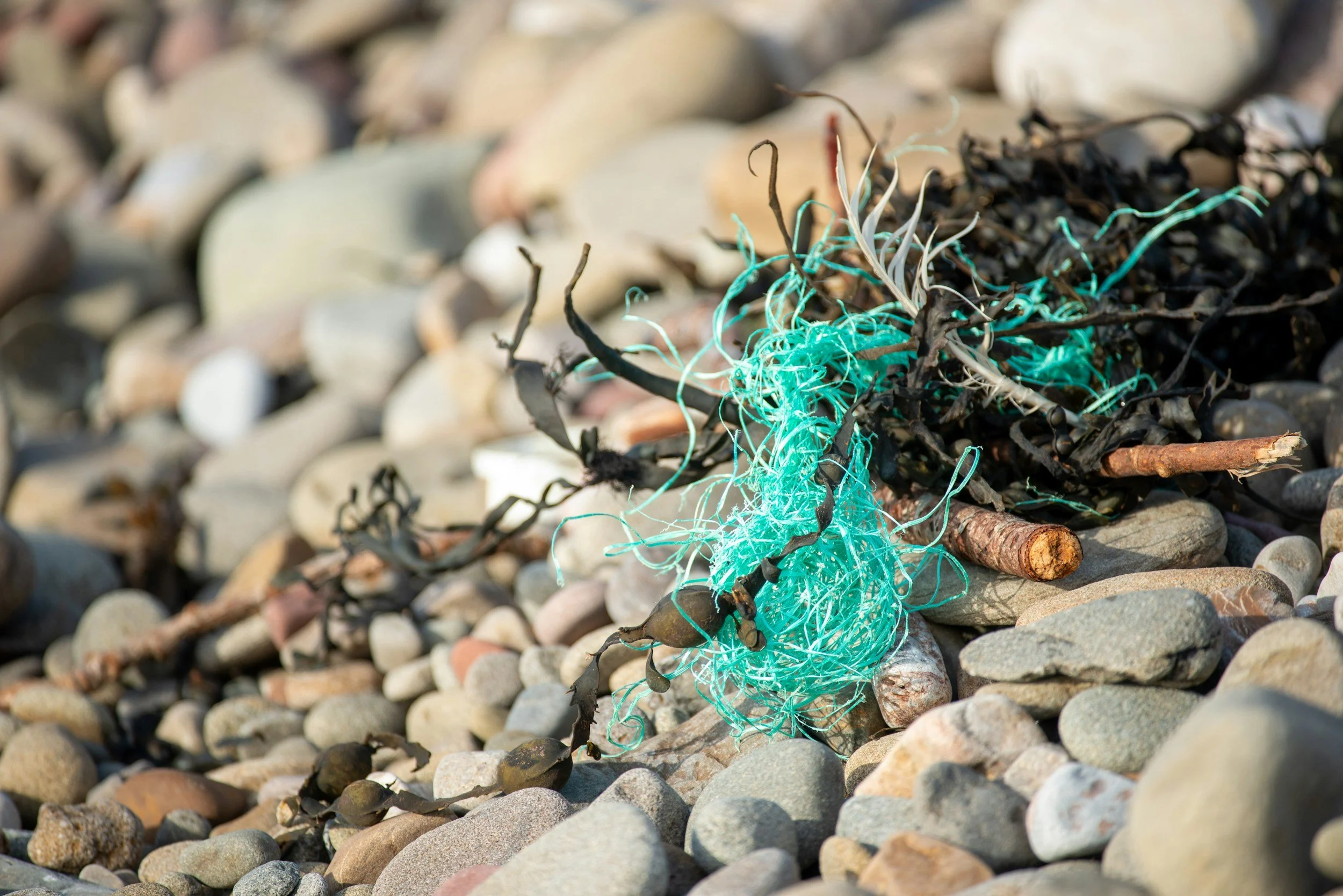
Fishing Gear
Discarded and lost monofilament fishing line is particularly dangerous to marine wildlife, causing entanglement in seabirds, seals, and sea turtles. It can take an estimated 600 years to decompose.
How Can You Help Every Day?
Carry a Bag
Carry a small bag when you walk the beach, a trail, or the Greenbelt and pick up any litter you see — even just a few pieces makes an impact.
Reduce What You Bring
Reduce what you bring. Use reusable bottles, bags, and containers when heading to the beach or parks.
Proper Disposal
Dispose of waste properly, especially near the water. Secure trash so wind doesn't carry it into the bay.
Share Your Ideas
Talk about it. Letting friends, neighbors, and kids know why it matters builds a culture of stewardship.
Remove Fishing Line
Cut or remove any fishing line, rope, or netting you find caught on rocks or washed ashore — these are some of the most dangerous items for wildlife.
Join a Cleanup
Join local efforts with groups like Dirigo Science Connection or the South Portland Land Trust.